
Kia Stinger spiritual successor on the cards
A new Kia which could occupy the same segment and tick the same boxes as the Stinger once did is being considered, but not confirmed.

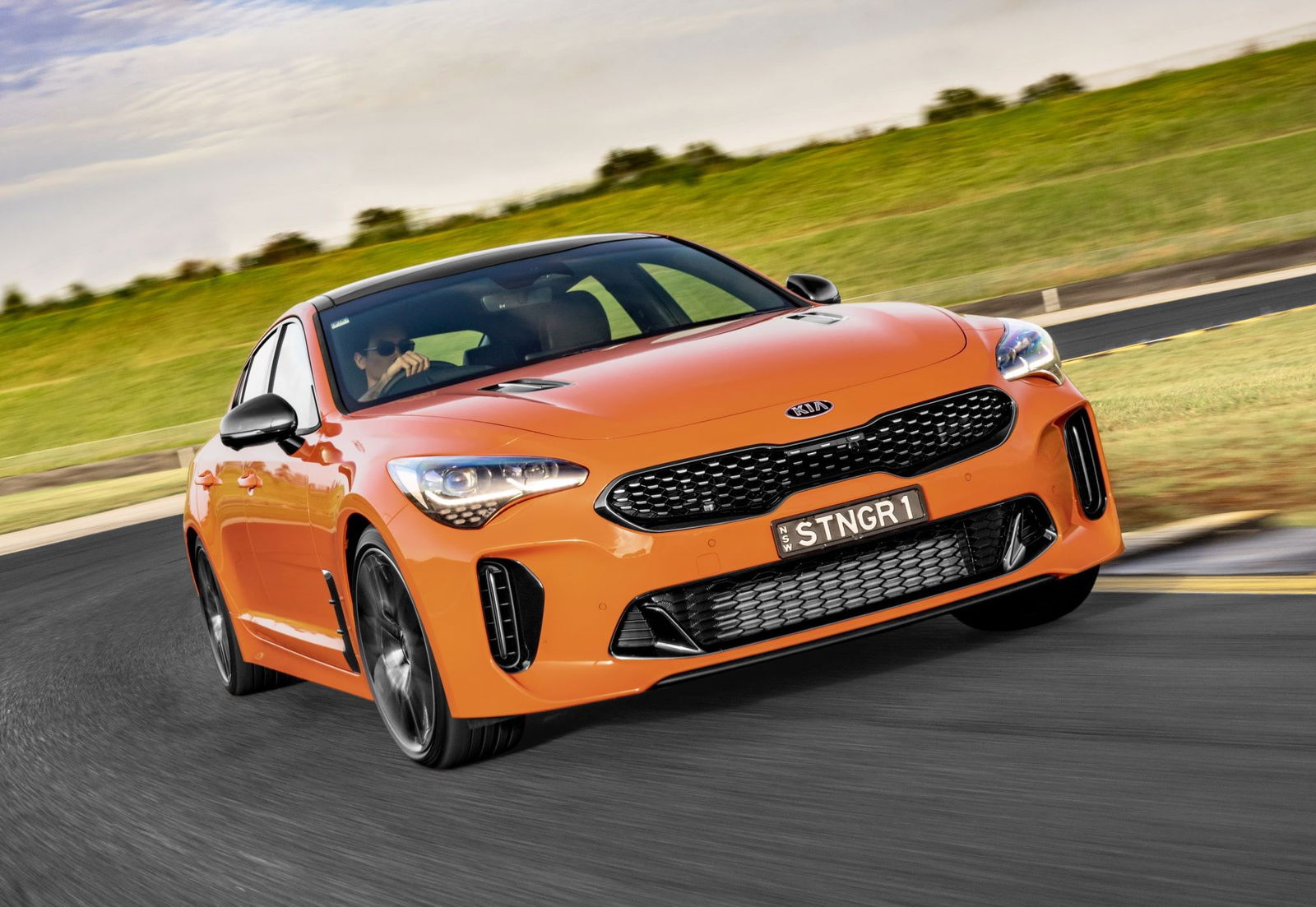
The Kia Stinger may not have been on sale for very long, having only been in production for just under six years, but its legacy remains strong, having filled the gaps in markets where performance sedans were being axed left, right and centre.
At the top of the range was the flagship Stinger GT, powered by a twin-turbo 3.3-litre V6 engine, delivering outputs similar to former Australian favourites such as the Ford Falcon XR6 Turbo and the Holden Commodore SS.
Its demise in 2023 came amid Kia beginning to launch a wider range of EVs, with the EV6 at the time seen as its closest counterpart, though at a hefty price difference.

The EV6 remains on sale and was facelifted last year, but Kia is already plotting the return of a Stinger-style model, previewed by the Vision Meta Turismo concept in December 2025.
When asked by the UK’s Autocar whether Kia could once again make a relatively niche model in the vein of the Stinger work on the balance sheet, head of global design Karim Habib wouldn’t confirm if it could come to fruition.
“At this point, it is more strategic,” Habib told Autocar.
“It’s a pure EV and the price of doing a high-performance EV is what is slowing us down. Hopefully, the upward movement of EVs keeps going. I think there will be more openness to this [type of] car. At least that’s what we’re betting on.

“We have a small history of doing cars like the Stinger and that’s something we don’t want to give up on. The Meta Turismo is our idea of a sports sedan for the gamer generation.
“A few years ago, we started thinking about what could we do beyond SUVs? We do produce and sell a lot of SUVs, which is good, but we also believe that there’s more than that.”
According to Kia’s head of interior design, Jochen Paesen, Kia’s future performance EVs - including a potential Stinger successor - will need to rely on more than just simulated shifting and engine sounds to be popular.

“We’re car people. We grew up on the side of a race track hearing V8s, but those are not the things that the younger generation care as much about. It actually doesn’t trigger them,” Paesen said.
“It triggered us, but we’re living in a different age, so understanding what triggers the younger generation and gets them emotionally tied in and emotionally interested, that’s important.
“The executive added that the emotional connection to EVs is “where, ultimately, differentiation will come in. That’s where brands can stand out from each other, and that’s where you can make a difference.”