
How BMW is keeping its performance petrol engines alive
BMW M has committed to straight-six and V8 power despite ever stricter emissions regulations, while ruling out a Mercedes-style downsizing.

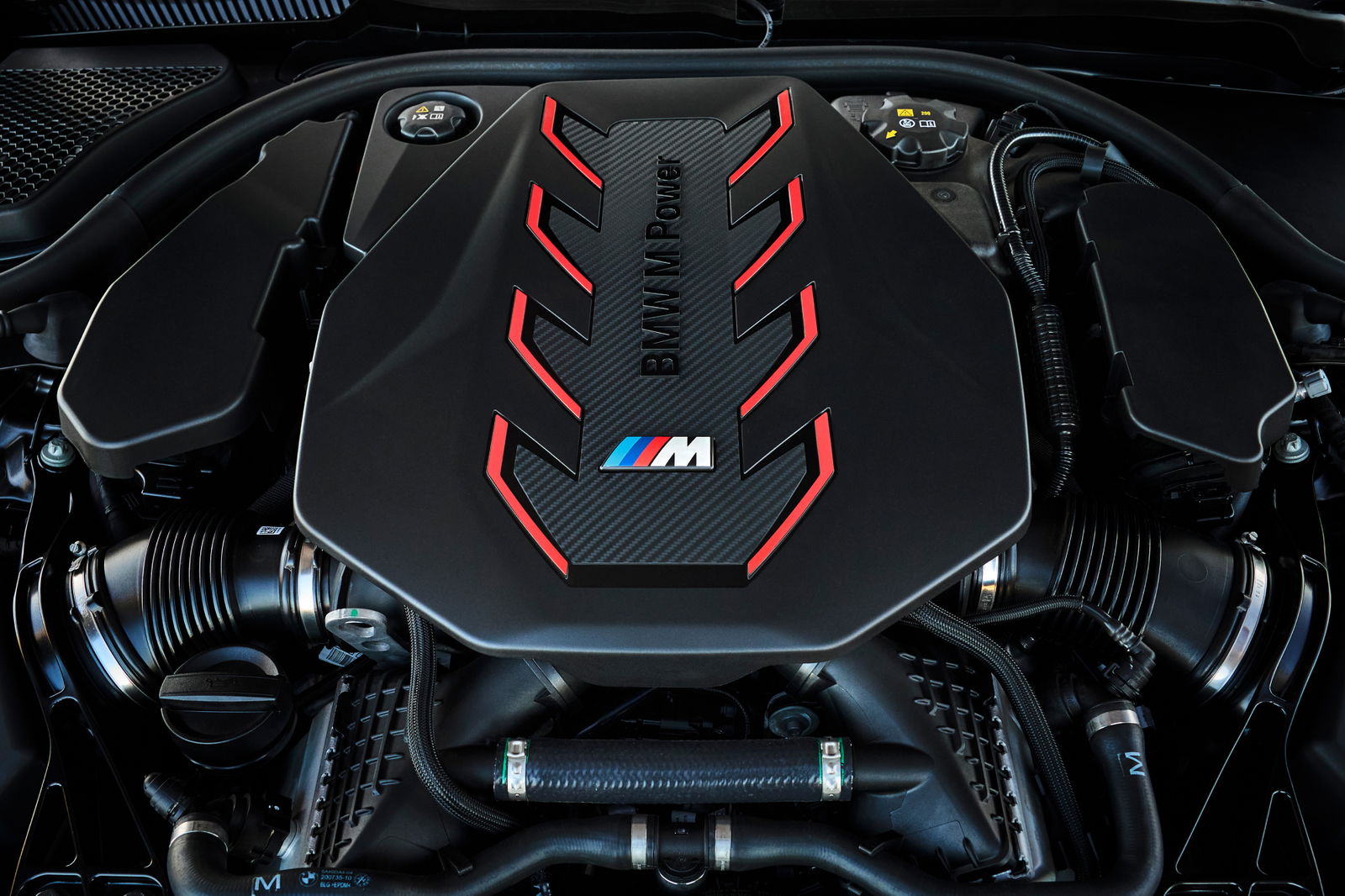
BMW appears to have learnt from the mistakes of its long-time rival Mercedes-Benz by committing to keep big engines in its large performance cars, even as emissions nets threaten their existence.
Mercedes-Benz’s AMG has drawn criticism in recent years for ditching V8 engines in some applications for six- and even four-cylinder hybrids. While the smaller engines are more efficient and can be even more potent, potential buyers have bemoaned the loss of the theatre of a V8 or a high-strung six.
Speaking to the UK’s Autocar, BMW M CEO Frank van Meel said his performance brand won’t ditch its iconic sixes and V8s, and there’s no chance of seeing three- or four-cylinder hybrids.
“The six-cylinder in-line engine is our legacy, and the V8 has got a long history in racing, so we intend to keep going,” Van Meel said.
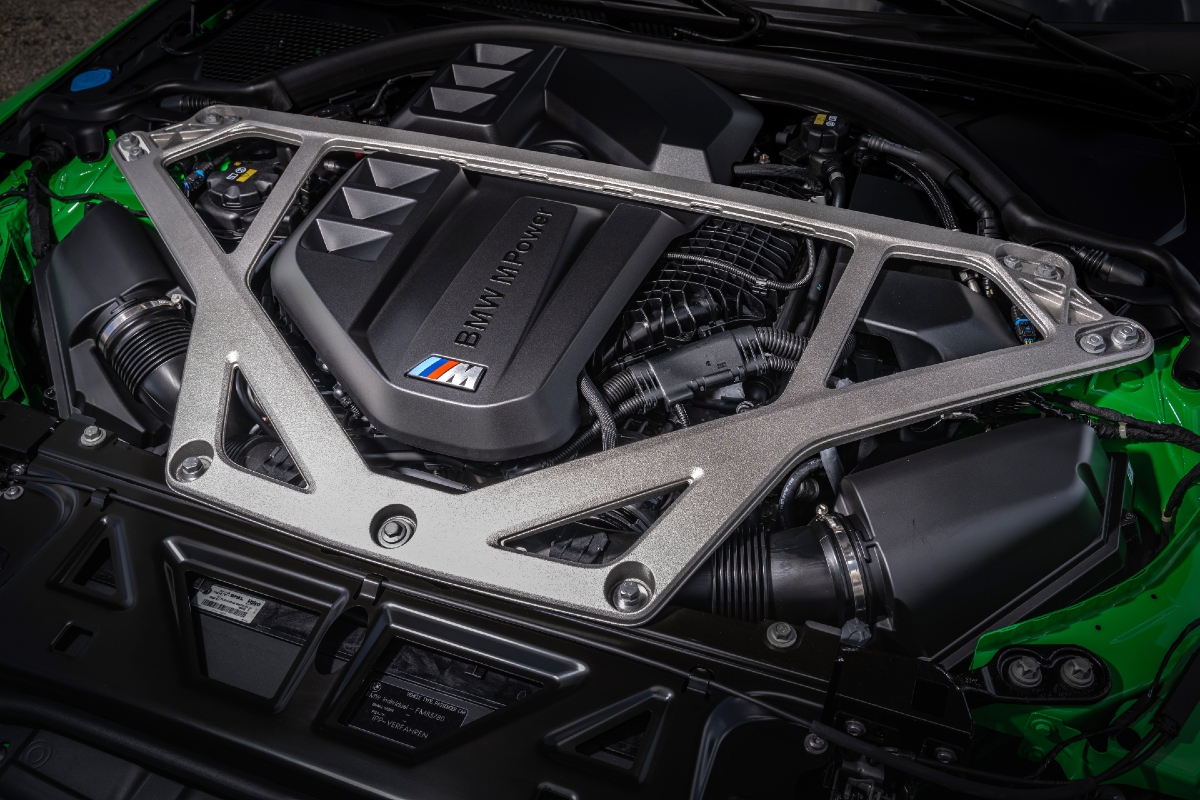
“I couldn’t imagine putting a four-cylinder in an M5.”
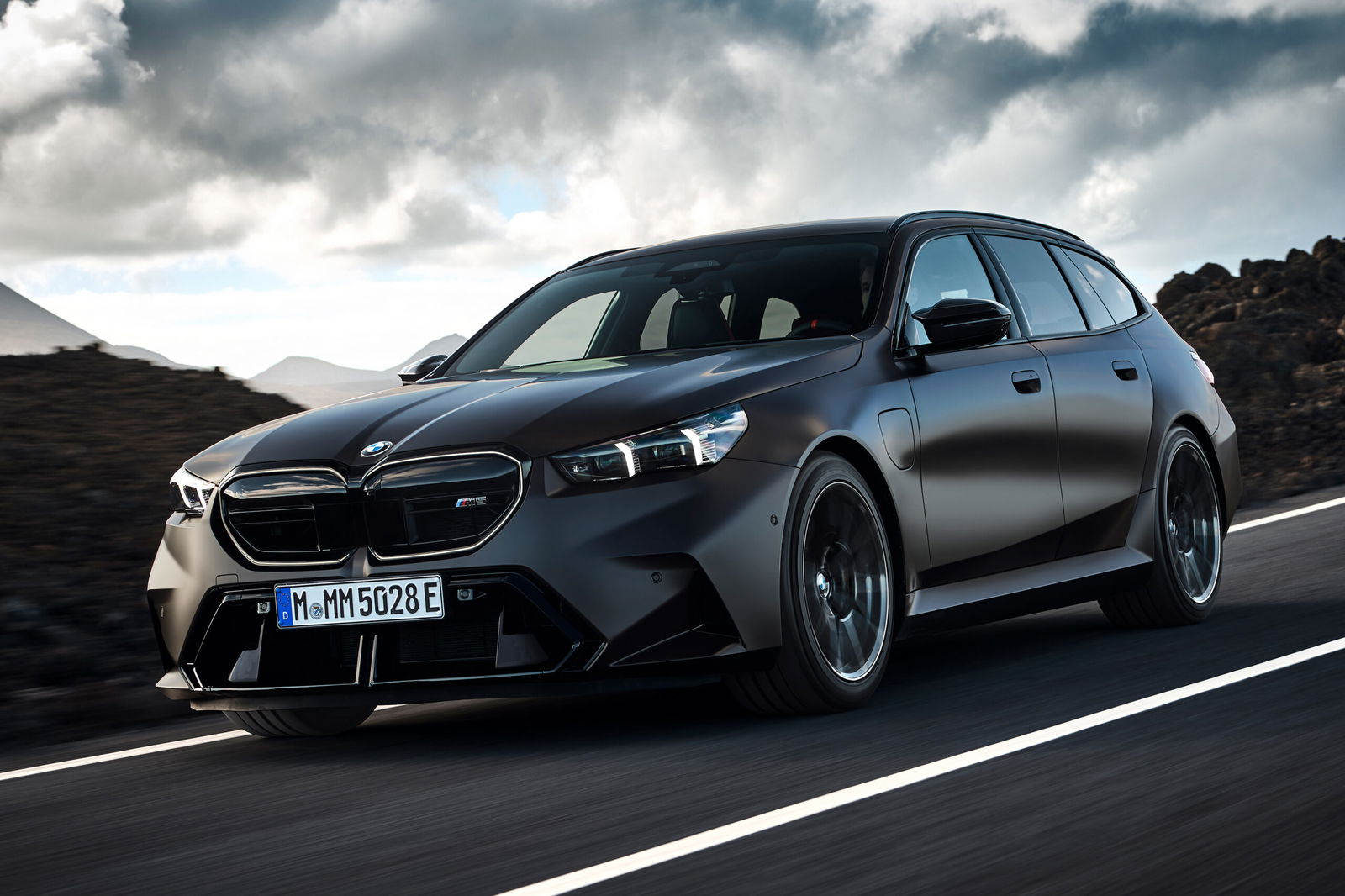
Ironically, the M5 was BMW’s first ‘legacy’ model to go plug-in hybrid, with the latest version of the super sedan (and wagon) getting electrical assistance for its twin-turbo 4.4-litre V8.
The only four-cylinder model in BMW M’s production car history is the original E30 M3, with every other generation of the icon being powered by a six-cylinder engine, except for the V8-powered E90 generation.
According to the executive, BMW M will “keep performance” in its new-generation engines, detailing “the challenge was not so much to make an engine that is EU7 compliant”.
“The whole story is about driving with lambda one [when the air-fuel ratio for combustion is perfectly matched] so you have to keep that, and there’s no cooling. Normally, if you are in high-performance situations, you cool using the fuel.
“With EU7, that’s impossible, so you need to find different ways of avoiding temperature build-up.
“The combustion process has to be improved in regards to heat build-up and also the cooling, and those are the challenges. Of course you can [reduce] performance to avoid this temperature increase, but you don’t want to - that’s where we started.
“The new balance of performance is that we drive lambda one, but we don’t want to lose performance.”
As reported earlier this year, the rumoured next-generation ‘G84’ M3 will likely be the last to be offered with petrol power when it enters production in 2028, though it’ll also be sold alongside an all-electric alternative.
Next BMW M3 to keep turbo-six petrol power